
A useful export inquiry does not need to be long, but it should remove the assumptions that slow down sourcing. The clearest requests explain what the buyer needs, how the product will be used, where it must go, and which details still need supplier guidance.
Section 01
Name the product and form precisely
Begin with the commercial product name and, where relevant, its local or trade name. Specify whether the requirement is for a whole, split, hulled, cleaned, processed, or otherwise prepared form.
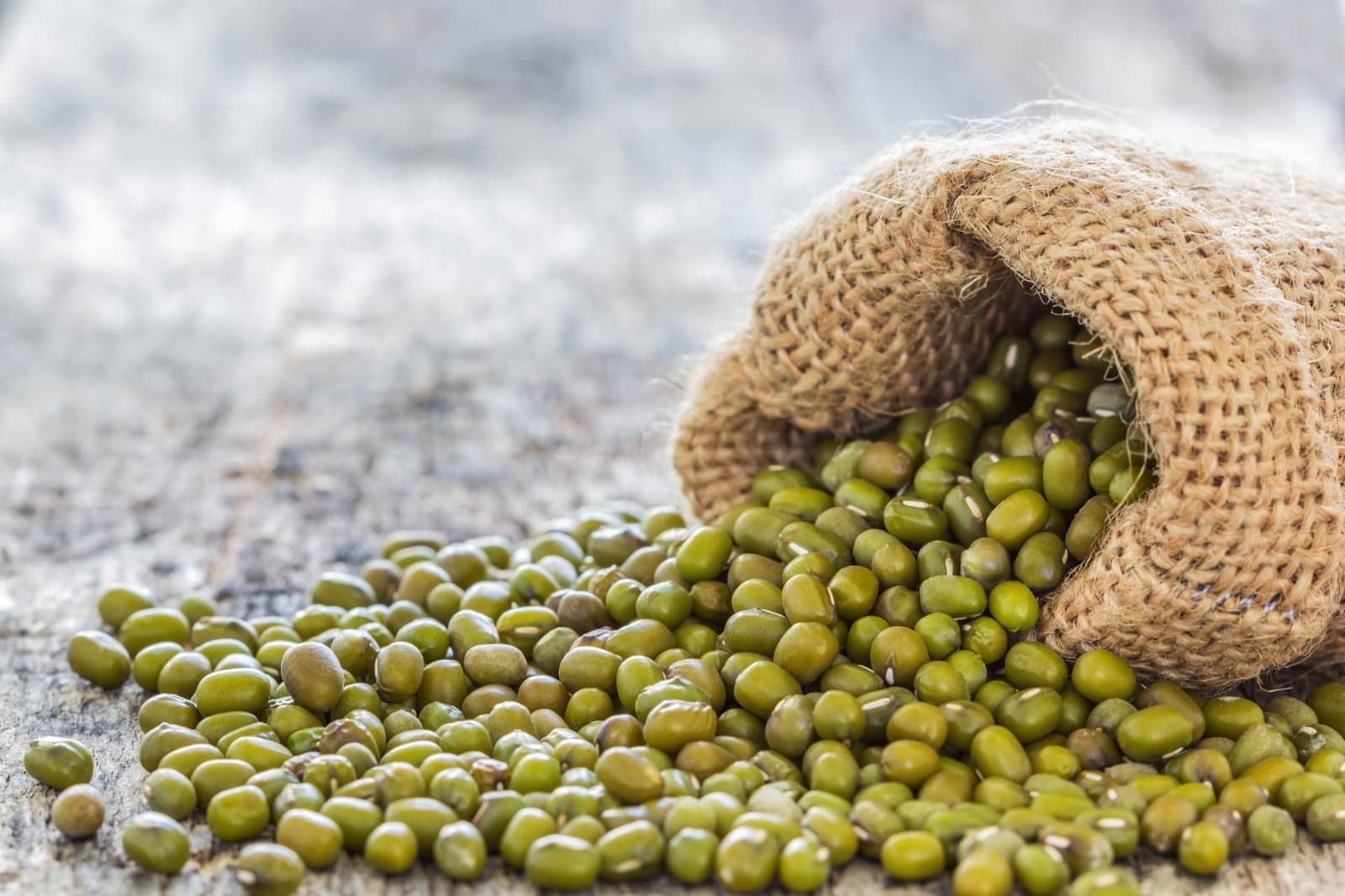
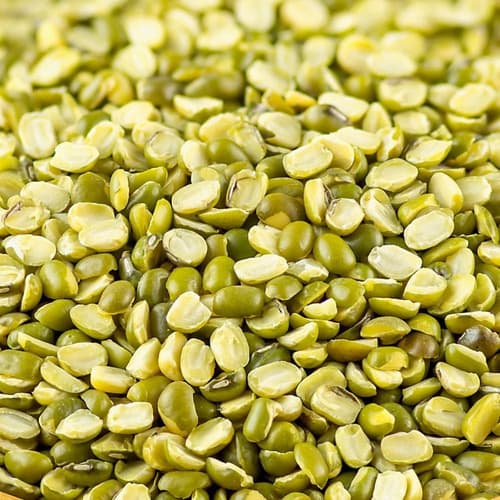
Small naming differences can represent materially different products. For example, whole green gram and split green gram serve different buying requirements even though they come from the same pulse family.
- Product and local or trade name
- Whole, split, seed, grain, flour, or processed form
- Intended food, ingredient, or industrial application
Section 02
Describe the required quality
If you already work with a specification, share the measurable parameters that matter to your business. If the specification is still being developed, explain the intended use and ask which grades are normally available.
Avoid relying only on broad words such as premium or export quality. A supplier can respond more accurately when quality expectations are connected to cleanliness, size, colour, purity, moisture, processing, or another relevant parameter.
Section 03
State quantity and purchasing pattern
Include the target quantity and unit. It also helps to clarify whether this is a sample request, trial order, one-time shipment, or recurring requirement.
Quantity affects sourcing, packing, timing, and commercial feasibility. If the final volume is not confirmed, share an honest working range rather than leaving the field open.
Section 04
Add packing and destination details
Packing should be discussed alongside the destination and distribution model. State the preferred bag or pack size, material, labelling requirement, and whether the goods are intended for wholesale, processing, or retail repacking.
The destination country and city help the exporter assess documentation, routing, handling, and market-specific requirements before preparing a useful response.
Section 05
List documents and timing
Mention any known certificate, inspection, testing, labelling, or documentation requirement. Requirements vary by product, buyer, and destination, so they should be confirmed rather than assumed.
Finish with the required delivery window or target shipment period and identify any deadline for receiving the quotation or sample.
Section 06
A concise inquiry checklist
Before sending the inquiry, check that the supplier can identify the exact product, assess the volume, understand the quality target, review the packing, and evaluate the destination requirement.
- Product and form
- Grade or intended application
- Target quantity and frequency
- Packing and labelling
- Destination and delivery window
- Required documents, tests, or samples
Practical takeaway
A clear requirement produces a clearer commercial response. Share what is fixed, identify what is flexible, and ask the supplier to confirm what still needs to be decided.
Written by
BEDA Global Exports
Agricultural sourcing and export coordination from Rajasthan, India.