A pulse name may refer to a crop family while the commercial requirement refers to a particular processed form. Clearly distinguishing whole beans, split pulses, and dals helps buyers reach the correct product discussion from the start.
Start with the commercial form
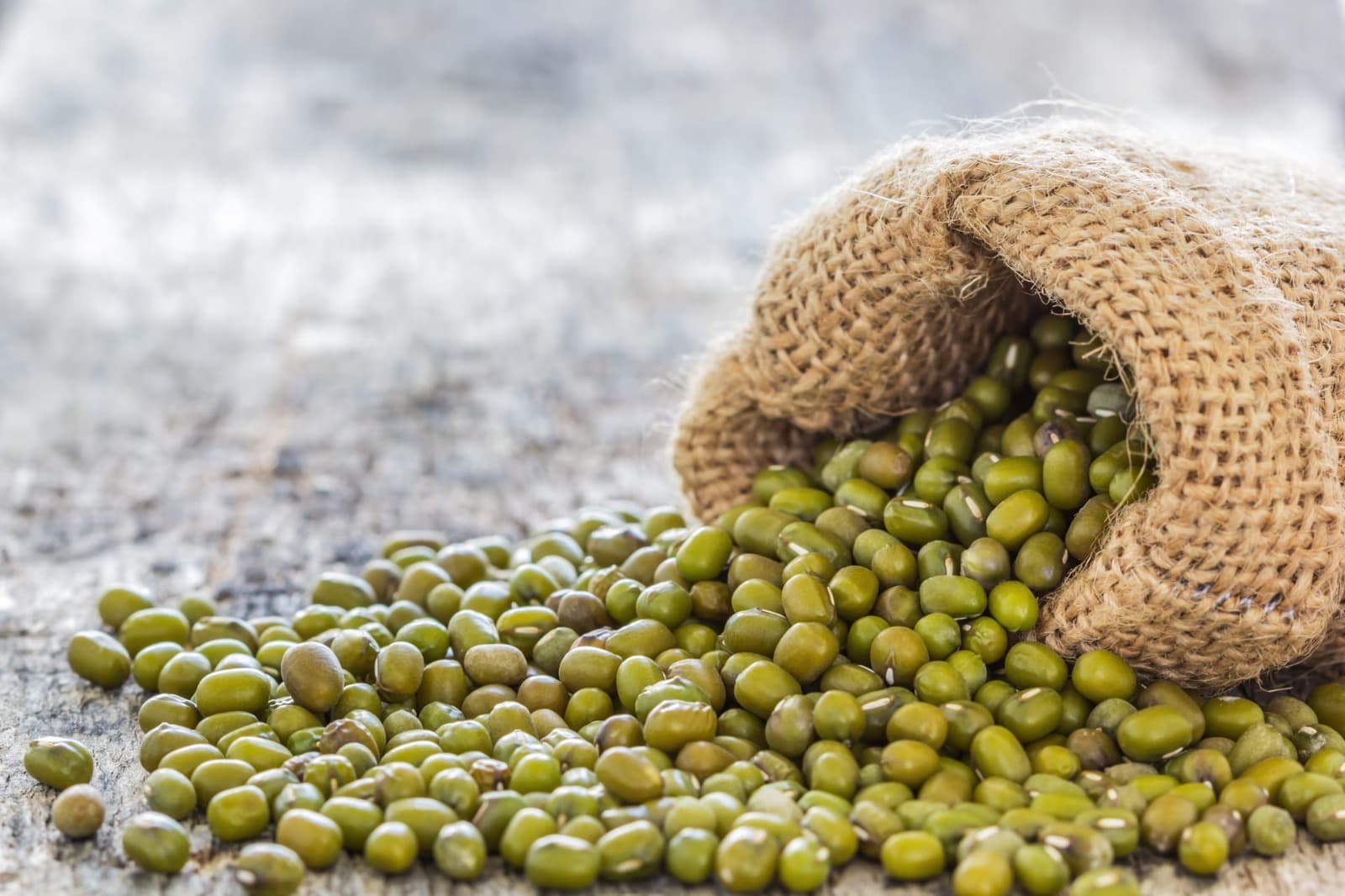
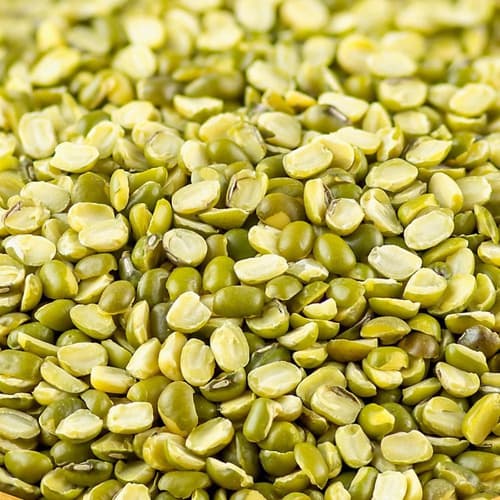
Whole pulses retain the complete seed structure, while split products have been mechanically divided and may be supplied with or without the outer skin depending on the product. Dal is commonly used as a commercial and culinary name for several split pulse forms.
The exact terminology can vary by market, so the inquiry should combine the English product name, local name, and a clear description of the required form.
Match form to intended use
Whole and split forms can behave differently in preparation, processing, cooking, and finished products. The intended use gives the exporter useful context when confirming the appropriate item.
A buyer sourcing for repacking may focus on visual consistency and pack presentation, while a food processor may prioritize processing behaviour and defined technical parameters.
Specify processing expectations
State whether the requirement is whole, split, polished, unpolished, hulled, or with skin where those distinctions apply. Do not assume that a local name communicates the same processing expectation in every market.
Then define grade and packing
Once the correct form is established, confirm the relevant grade, cleanliness, sizing, moisture, colour, defects, or other buyer parameters. Packing should reflect the product, shipment method, destination, and buyer handling needs.
- Exact product and local name
- Whole, split, hulled, polished, or skin-on form
- Intended use
- Required grade or measurable parameters
- Pack size, material, and destination
Use images carefully
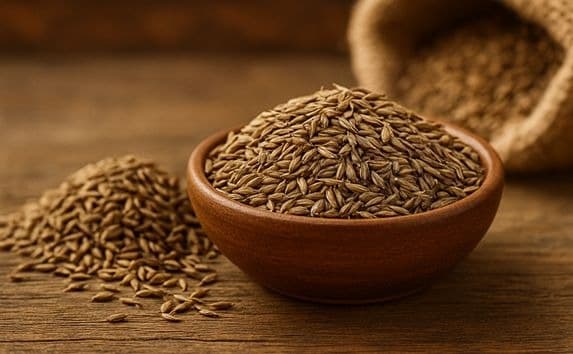
Reference images can help identify a form, but lighting, scale, and natural variation limit what an image can confirm. Product photos should support—not replace—the written specification and sample process.
Takeaway
Name the crop, identify the processing form, and explain the intended use before moving into grade and packing. That sequence prevents avoidable product mismatches.